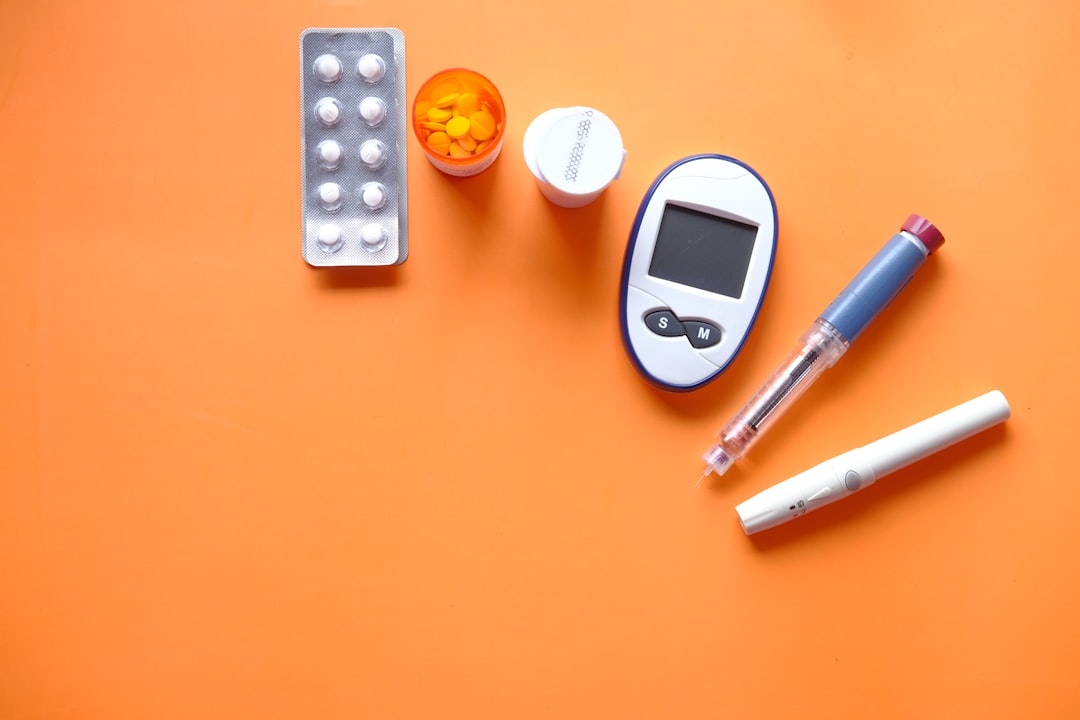
Gout often occurs alongside obesity, insulin resistance, type 2 diabetes, high triglycerides and other features of metabolic syndrome. See who gets gout and the major risk factors for the broader picture, and weight loss, fasting and keto for why gradual, sustainable weight change generally makes more sense than crash dieting.
Why are they connected?
Insulin resistance can reduce renal urate excretion. Excess body weight is also associated with higher urate and gout risk, while diet, kidney function, genetics and medications can contribute to both metabolic disease and gout.
Does diabetes cause gout?
Not directly in every person. The conditions share risk factors and metabolic pathways, so they commonly cluster together. A person can have either condition without the other.
Does weight loss help?
For people with excess weight, sustained weight loss generally moves gout risk in a favorable direction and can improve many related metabolic risks. Rapid weight loss, however, may temporarily destabilize urate and provoke flares.
What about GLP-1 medicines and other diabetes treatments?
Some diabetes and weight-management medicines can indirectly affect urate, kidney function or weight. Their use should be based on the person’s overall medical needs rather than as unproven gout treatments.
Why this matters for gout care
A gout visit is a useful opportunity to review blood pressure, kidney function, glucose, lipids, body weight and cardiovascular risk—not because gout causes all of these problems, but because the overlap is common.
This article is educational and is not a substitute for medical advice.
Sources
Evidence checked September 2026.