
Original TruthAboutGout community survey: 248 respondents reported what they believe triggers their gout attacks. Dehydration/not drinking enough water led by a wide margin, while red meat ranked much…
Nutrition & Triggers
Nutrition & Triggers
Posted on:
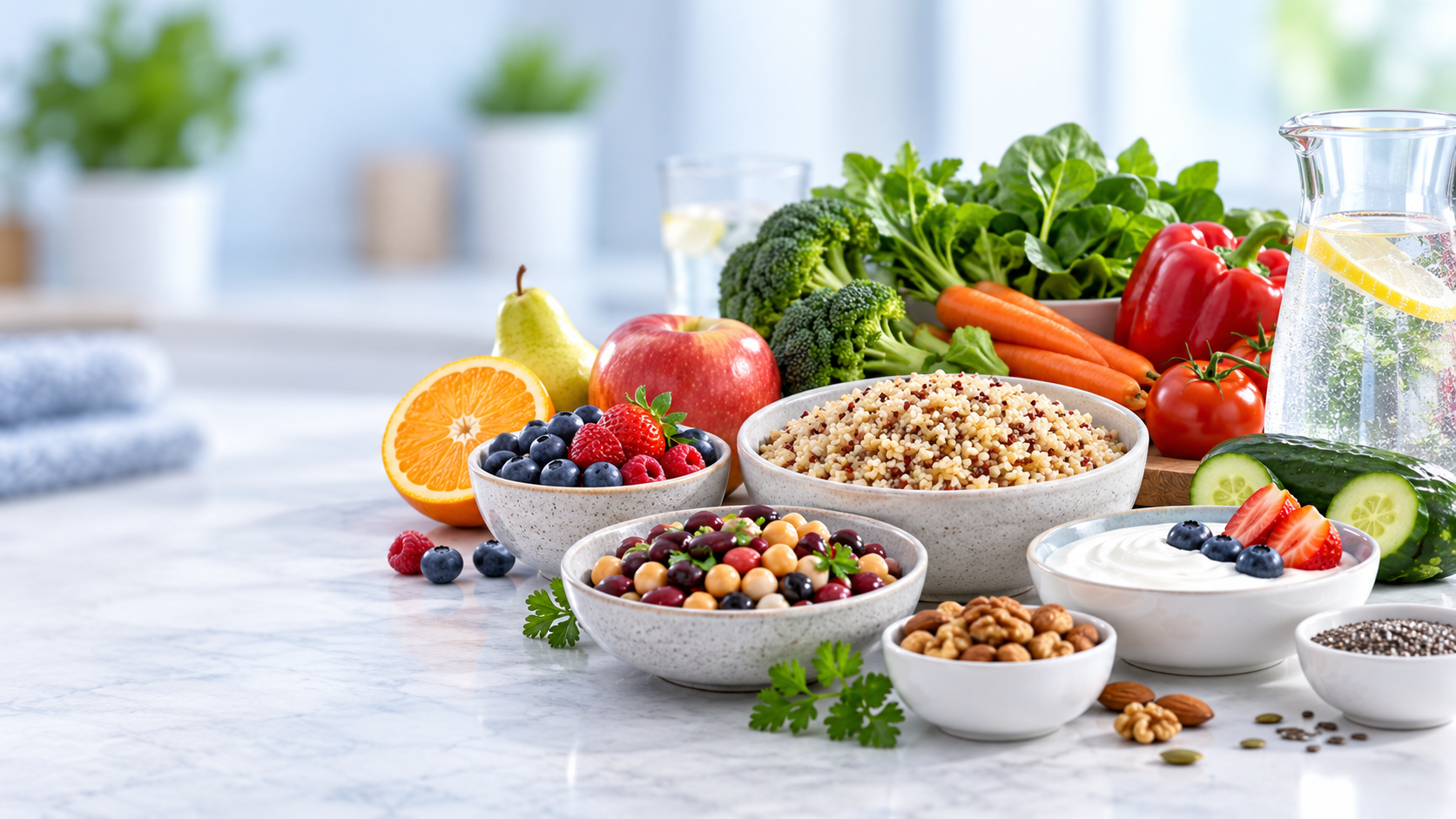
Foods That May Help: Dairy, Coffee, Vegetables and Plant Proteins
Some dietary patterns are associated with lower gout risk, particularly low-fat dairy, plant-forward eating and possibly coffee. These are supportive choices, not gout treatments.

Nutrition & Triggers
Posted on:
Weight Loss, Fasting, Keto and Gout
Gradual weight loss can improve gout risk in people with excess weight, but rapid weight loss, prolonged fasting and major metabolic shifts can temporarily raise urate or trigger…

Nutrition & Triggers
Posted on:
Sugar, Fructose and Gout: Soda, Juice and Sweets
Sugar-sweetened drinks and higher fructose intake are associated with greater gout and hyperuricemia risk. That does not mean one gummy bear causes gout, but repeated high exposure can…
Nutrition & Triggers
Posted on:
Hydration, Dehydration and Gout
Dehydration can make gout flares more likely in some people, but water does not ‘flush out’ gout crystals. The goal is normal, steady hydration—not excessive drinking.

Nutrition & Triggers
Posted on:
Alcohol and Gout: Beer, Wine, Liquor and Flare Risk
Beer is not the only alcohol relevant to gout. Studies of people with gout have found short-term flare risk with beer, wine and liquor, with risk rising as…

Nutrition & Triggers
Posted on:
Personal Gout Triggers: Why They Differ and How to Find Yours
A gout trigger changes the probability of a flare; it does not guarantee one. Learn why the same beer, meal or sweet can affect two people differently—and how…

Nutrition & Triggers
Posted on:
Purines and Gout: Meat, Turkey, Organ Meat, Seafood and Plant Purines
Purines are broken down into uric acid, but not all purine-rich foods behave the same way in gout. Animal purines—especially organ meats and some seafood—deserve more attention than…

Nutrition & Triggers
Posted on:
The Evidence-Based Gout Diet: What to Eat and What to Limit
Diet can affect gout risk and flare probability, but there is no single gout diet that works for everyone. The strongest evidence supports an overall healthy pattern with…

Nutrition & Triggers
Posted on:
Supplements for Gout: Evidence, Safety and What We Can Actually Claim
Some supplements have plausible or emerging gout evidence, but ‘may help’ is not the same as ‘treats gout.’ This guide separates evidence, safety and marketing claims.