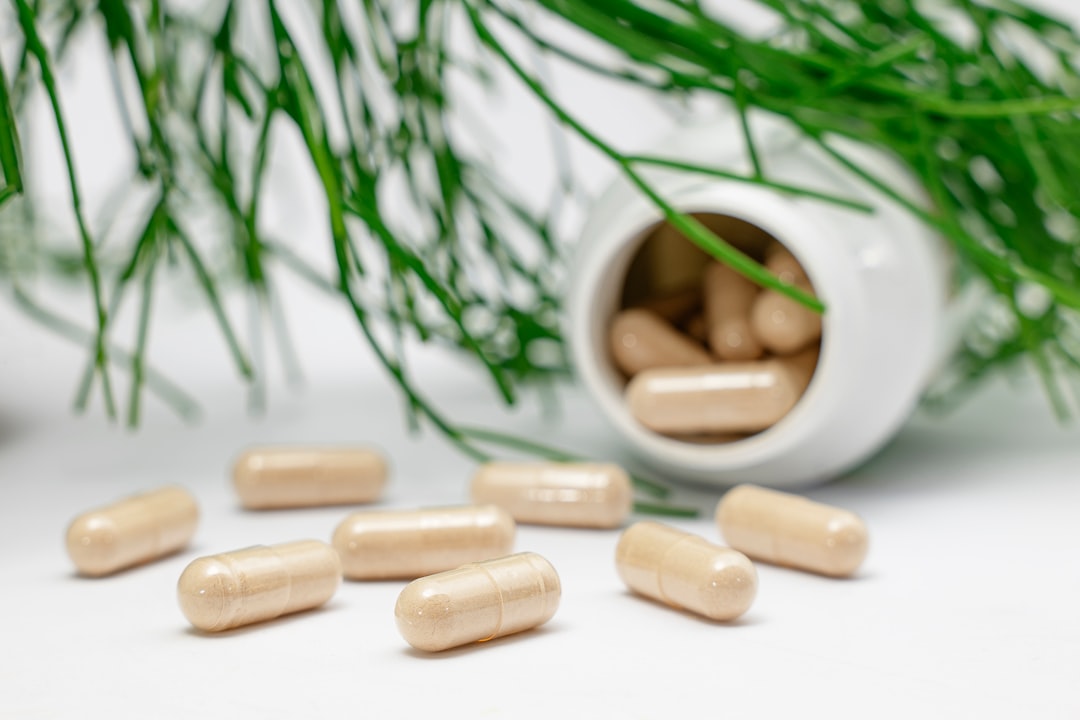
Supplements can support health, and a few have meaningful gout research behind them. But supplement discussions become untrustworthy when a small study is turned into a promise to treat, cure or “flush out” gout. Tart cherry is a useful example of evidence that is interesting but limited, and the evidence-based gout diet shows how supplements fit into the bigger picture rather than replacing established care.
Our evidence standard
We separate three very different statements:
- There is a plausible mechanism.
- Human studies suggest a possible benefit.
- High-quality clinical evidence supports treatment of gout.
Most supplements discussed for gout are in the first or second category, not the third.
Tart cherry
Tart cherry has one of the stronger evidence bases among popular gout supplements. Trials and observational studies suggest possible modest effects on serum urate or flare risk, but results are inconsistent. It is best described as a possible adjunct, not a substitute for urate-lowering therapy.
Vitamin C
Vitamin C can modestly affect serum urate in some studies, but the effect is generally too small and inconsistent to treat established gout by itself.
Celery seed extract
Celery seed is sometimes marketed for gout, but the evidence is still preliminary. A 2019 study found that celery seed aqueous and oil extracts lowered serum uric acid and reduced joint inflammation in animal models. That is interesting mechanistic evidence, but animal results do not establish that celery seed treats gout in people. A Cochrane review of dietary supplements for chronic gout identified a celery-seed trial as ongoing and concluded that there was not enough reliable evidence to recommend dietary supplements as gout treatment. For now, we consider celery seed an interesting but unproven option, not a substitute for established gout care or urate-lowering therapy when it is indicated.
Concentrated herbal supplements can cause side effects, trigger allergic reactions or interact with medicines. If you use prescription medication, are pregnant, or have a known celery allergy, discuss a celery seed supplement with a clinician or pharmacist before taking it.
Turmeric, quercetin, bromelain and herbal products
These compounds may have anti-inflammatory or metabolic research relevant to health, but product-specific gout evidence is usually limited. Evidence for an ingredient does not automatically validate every commercial product containing it.
Safety matters
Supplements can interact with medicines, affect bleeding or kidney function, contain variable ingredient amounts or be inappropriate during pregnancy or with certain medical conditions. “Natural” does not mean risk-free.
Claims differ by country
Regulatory rules differ internationally. In the United States, a dietary supplement marketed as diagnosing, treating, preventing or curing a disease crosses into drug-claim territory. Other countries use different regulatory structures. Our editorial standard is simpler: we will not make a stronger claim than the evidence supports, regardless of what marketing language might technically be permitted.
This article is educational and is not a substitute for medical advice.
Sources
- 2025 systematic review: diet and dietary supplements in gout
- 2026 meta-analysis: tart cherry and serum urate
- 2019 animal study: celery seed extracts, hyperuricemia and gouty arthritis
- Cochrane review: dietary supplements for chronic gout
- US FDA: Questions and Answers on Dietary Supplements
- NICE NG219
Evidence checked September 2026.