Some supplements have plausible or emerging gout evidence, but ‘may help’ is not the same as ‘treats gout.’ This guide separates evidence, safety and marketing claims.
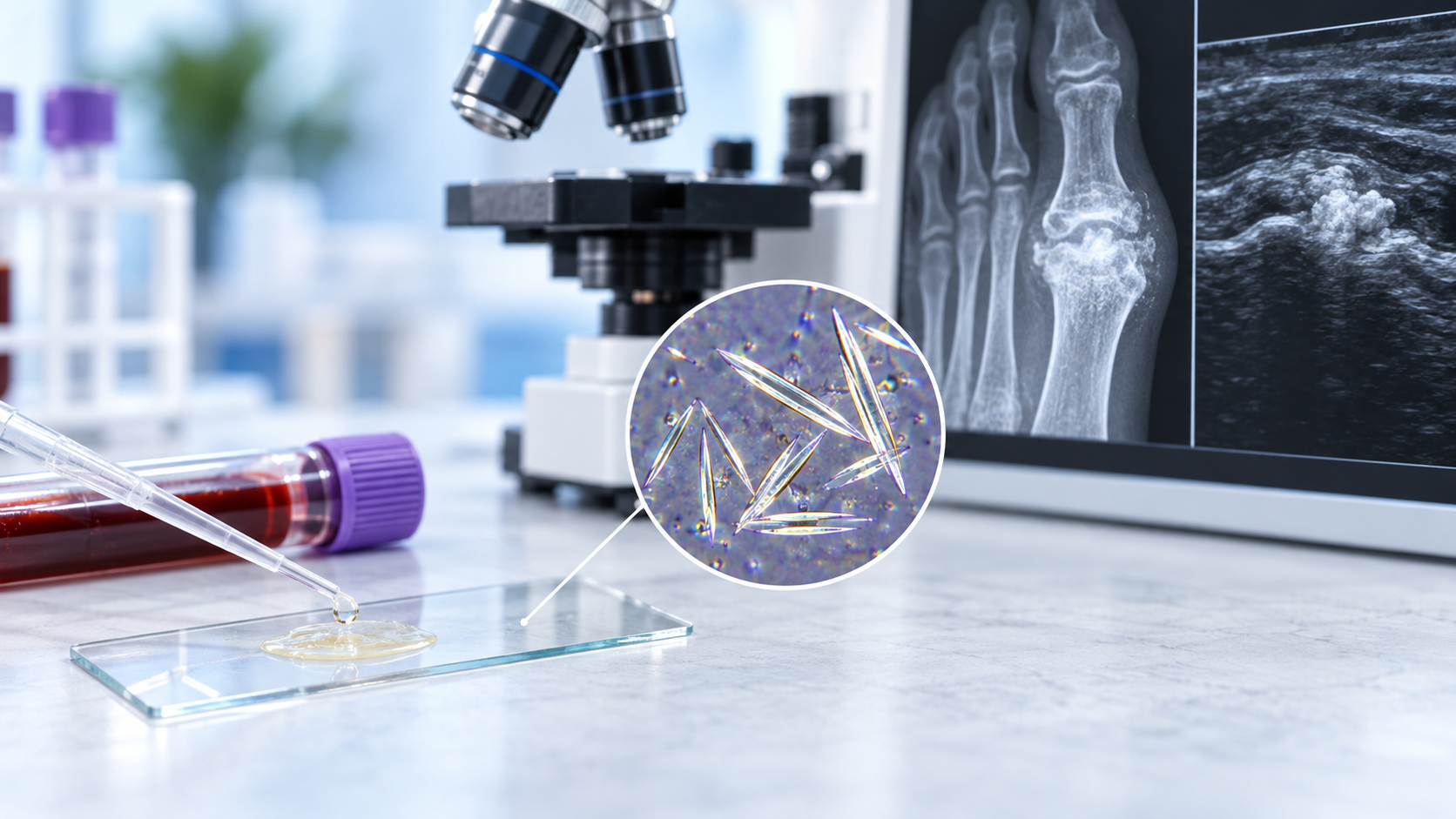
Diagnosis
Posted on:
How Gout Is Diagnosed: Blood Tests, Joint Fluid and Imaging
Gout is diagnosed from the clinical pattern plus serum urate, and sometimes joint-fluid microscopy or imaging. A uric-acid blood test alone does not prove or exclude gout.

Foundations
Posted on:
Gout Symptoms: Early Signs, What a Flare Feels Like and Where It Hurts
Gout usually causes sudden severe joint pain, swelling, warmth and redness. Learn the early signs, common locations and symptoms that need urgent evaluation.

Risk & Related Health
Posted on:
Is Gout Hereditary? Genetics and Family History
Gout often runs in families because genes strongly influence how the kidneys and gut handle urate. Family history raises risk, but it does not guarantee that someone will…

Foundations
Posted on:
Who Gets Gout? Age, Sex, Menopause, Ethnicity and Risk
Gout risk reflects genetics, kidney handling of urate, age, sex, menopause, medications, body weight and other health conditions—not a single lifestyle choice.
Treatment
Posted on:
Is Gout Curable? What Long-Term Control Really Means
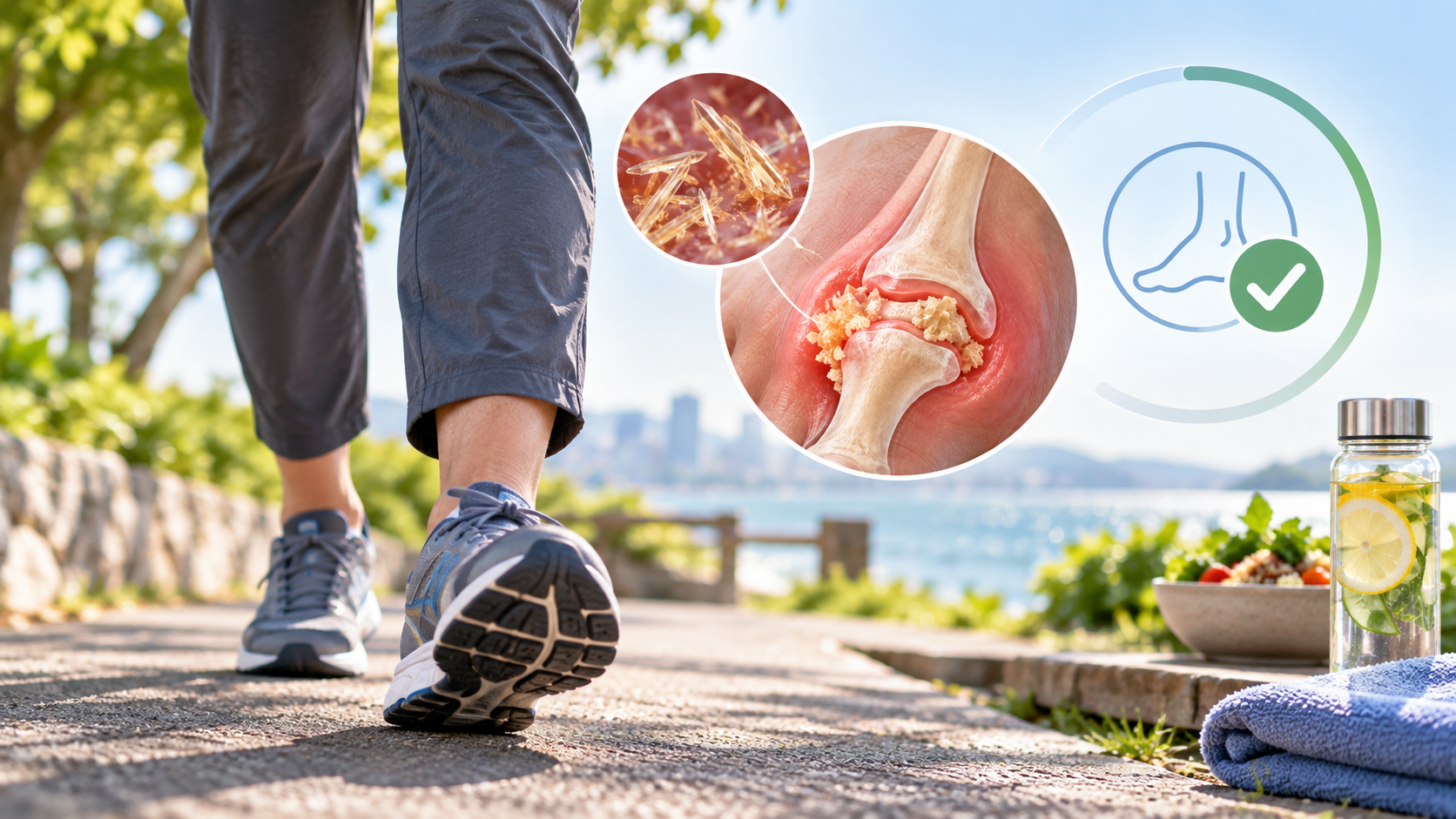
Gout is usually considered a lifelong condition, but effective urate-lowering treatment can dissolve crystals, prevent flares, and produce long periods without symptoms.
Foundations
Posted on:
What Is Gout? Uric Acid, Crystals and Why It Happens
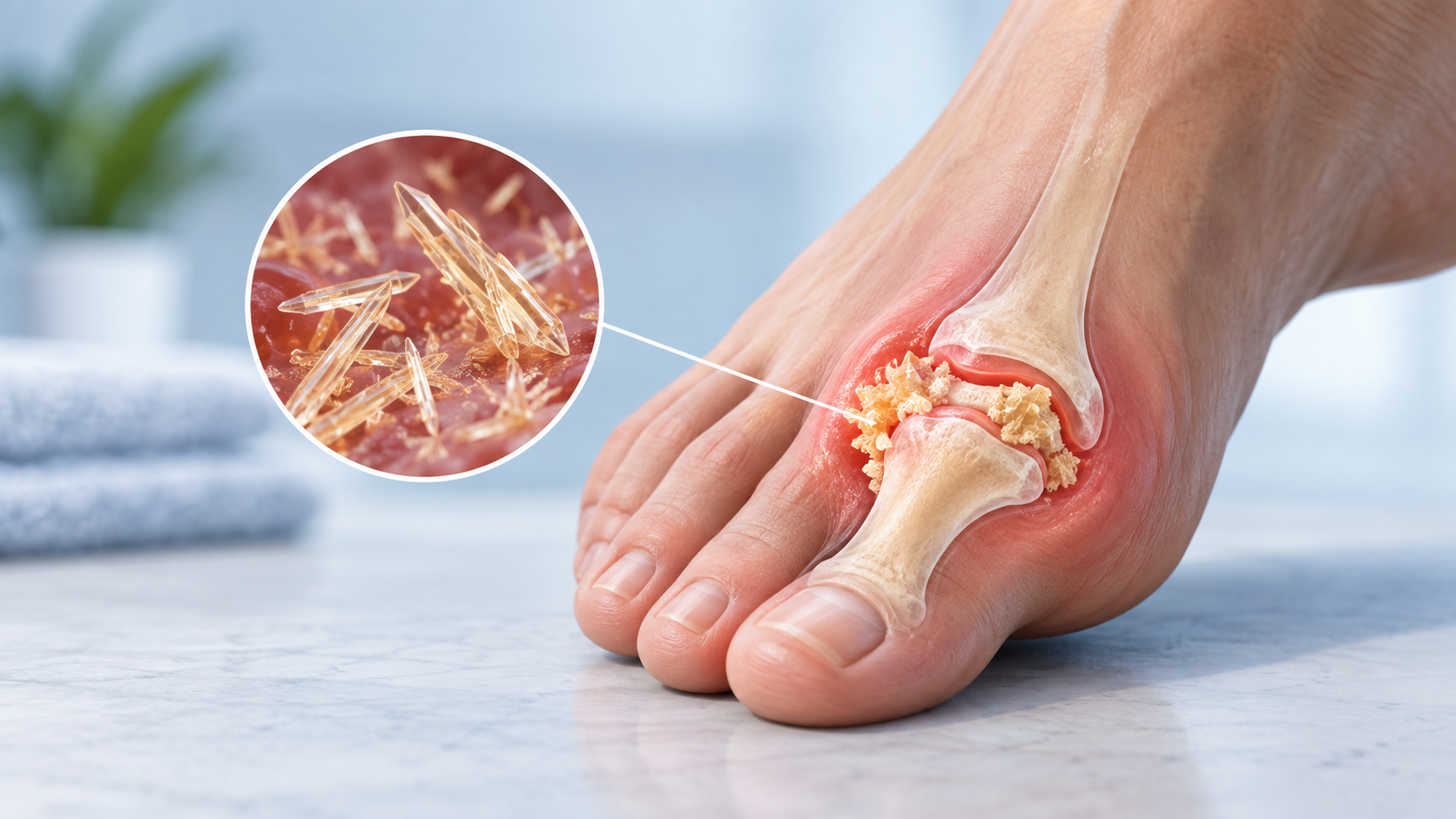
Gout is an inflammatory arthritis caused by monosodium urate crystals. Learn how high urate, genetics, kidney function and other factors combine to produce flares.
Diagnosis
Posted on:
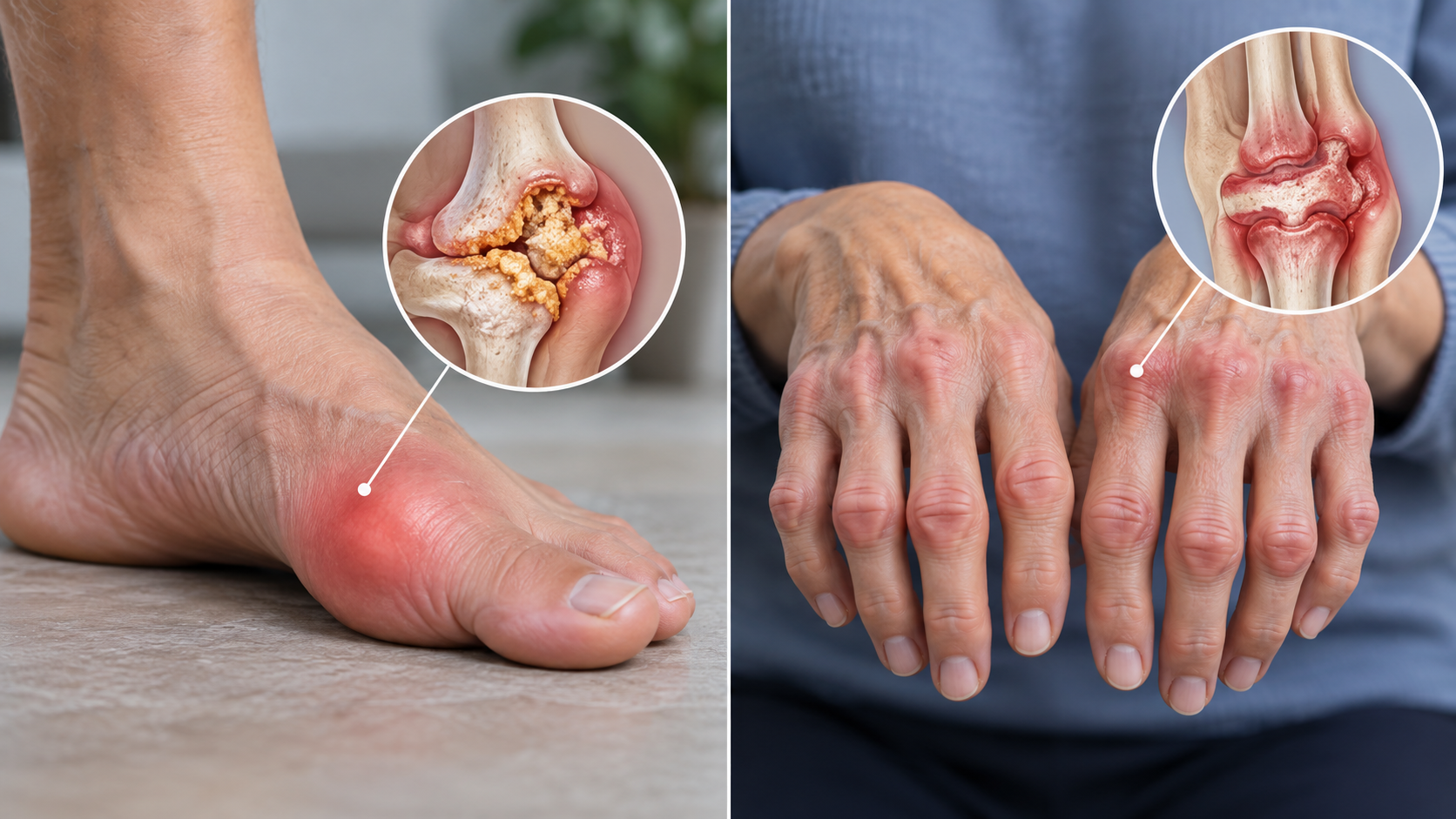
Gout vs. Rheumatoid Arthritis and Other Arthritis
Gout can resemble rheumatoid arthritis, osteoarthritis and other inflammatory conditions. The pattern of joints, blood tests, imaging and crystal analysis help separate them.

Nutrition & Triggers
Posted on:
Tart Cherry and Gout: What the Science Actually Says
Tart cherry has real gout research behind it, but the evidence is mixed. It may modestly affect urate or flare risk for some people; it is not a…
Resources
Posted on:
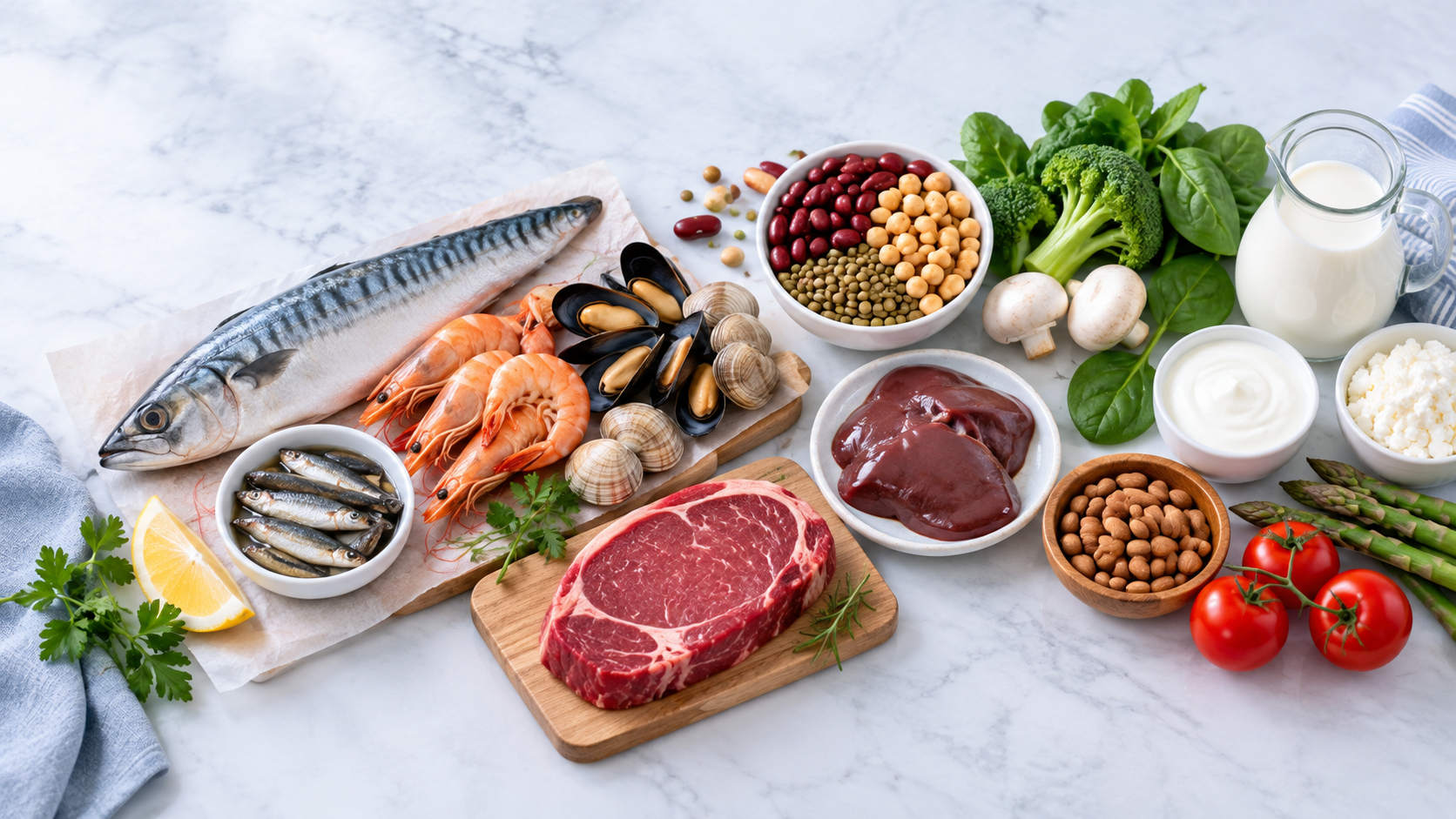
Purine Food Guide & Reference Chart
A practical gout food guide that emphasizes the foods most worth limiting—especially organ meats and selected seafood—without treating every plant purine as equally risky.